qbhborescope@gmail.com
November 20, 2024

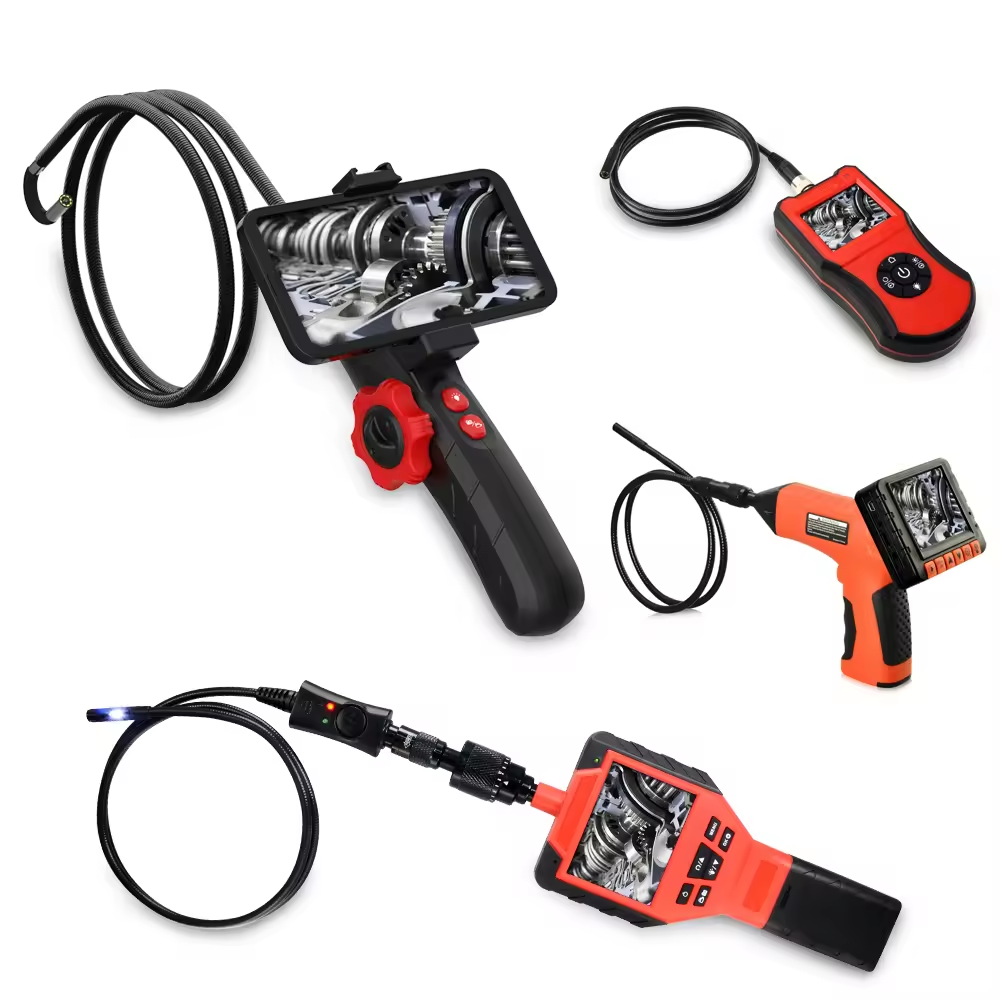
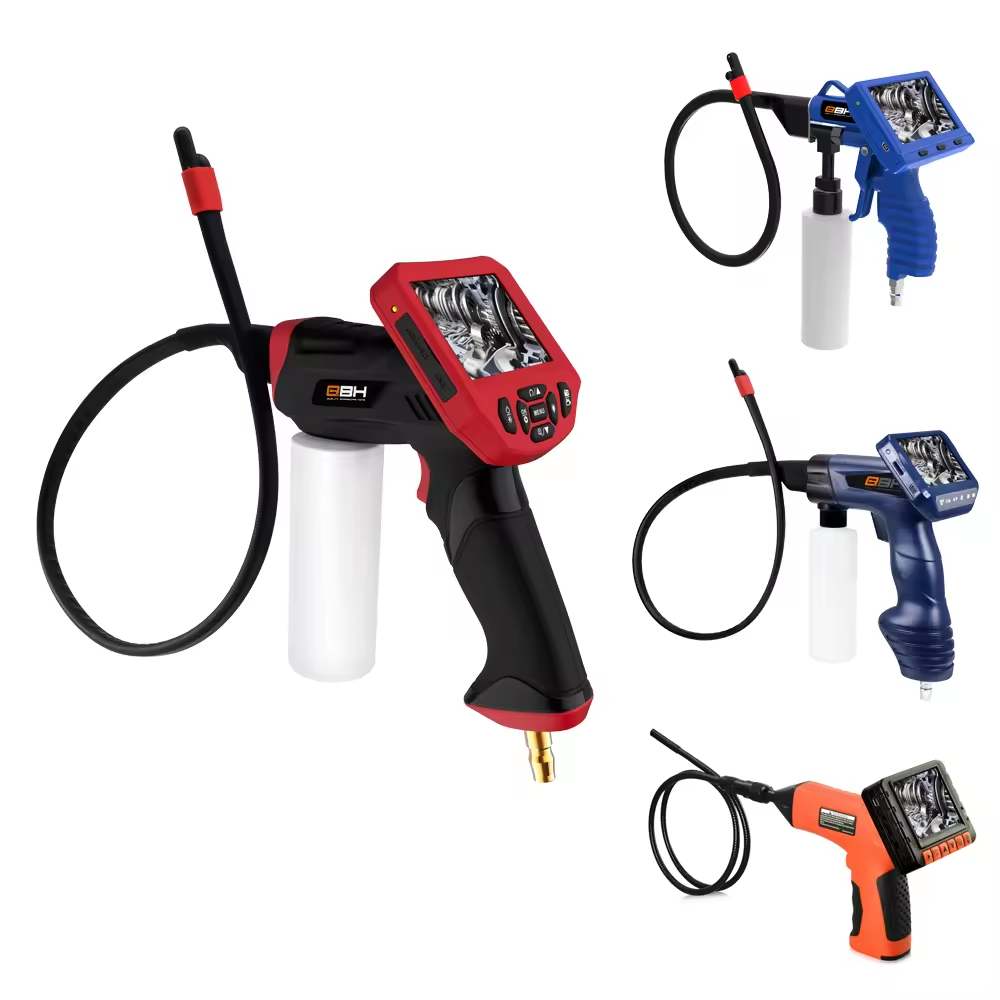
Borescopes are invaluable tools used by professionals for inspecting hard-to-reach areas. Whether you’re in aviation, automotive repair, or general maintenance, these devices help you visualize internal components that would otherwise be impossible to reach. However, just like any advanced technology, borescopes require proper care and maintenance to ensure their longevity and optimal performance. In this article, we’ll explore how to clean and maintain your borescope, focusing on the lens, probe, and general care tips, while also addressing common issues that arise with this equipment.
Table of Contents
- Why Cleaning Your Borescope is Crucial
- How to Clean the Borescope Lens
- Maintaining the Probe and Other Components
- Tips for Prolonging the Life of Your Borescope
- Conclusion
Why Cleaning Your Borescope is Crucial
A clean borescope is essential for maintaining its accuracy and image quality. Dust, dirt, and grime can accumulate on the lens and probe, which can obstruct the view and even cause permanent damage. Whether you use your borescope in industrial settings or routine inspections, keeping the device clean ensures clear, accurate readings every time.
Regular maintenance prevents malfunctions, reduces the risk of damage, and extends the lifespan of the device. In the next sections, we’ll dive into the step-by-step process of cleaning the lens and probe.
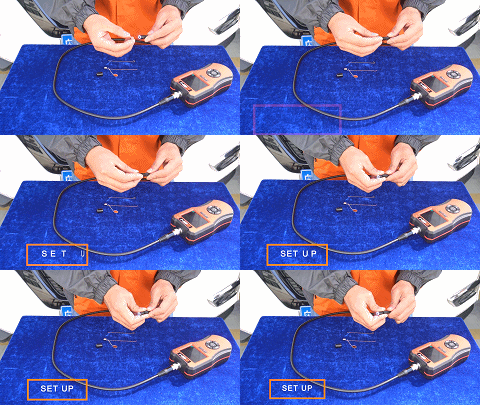
How to Clean the Borescope Lens
The lens of your borescope is one of its most sensitive components. Dust or smudges on the lens can impair the clarity of your inspection. Follow these simple steps to keep your lens in pristine condition:
1. Inspect for Damage or Contamination
Before cleaning, check if the lens is scratched, cracked, or otherwise damaged. If the lens is in good condition, proceed with cleaning.
2. Use the Right Cleaning Materials
Use a soft, lint-free cloth or a cotton swab. For cleaning, choose a mild glass cleaner or a 70% alcohol-water mixture. Dampen the cloth or swab (do not soak it) and gently wipe the lens in a circular motion to remove any dirt or residue.
3. Cleaning Internal Lenses
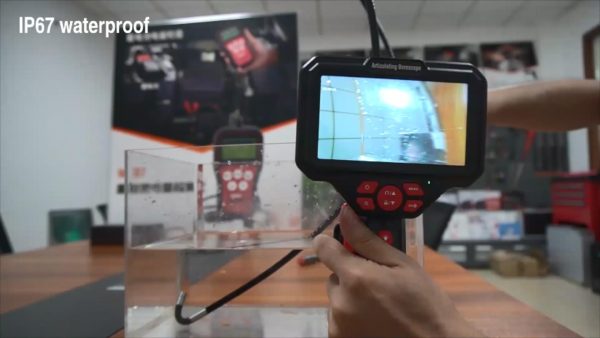
If you’re facing poor focus issues and suspect internal contamination, only clean the internal lens when necessary. Be cautious not to disturb any O-rings or seals around the lens, as these components are vital for maintaining the borescope’s waterproof or dustproof features.
4. Avoid Harsh Chemicals
Never use harsh chemicals, which can damage the lens or other optical components. Stick to glass cleaners or alcohol-based solutions to prevent etching or discoloration.
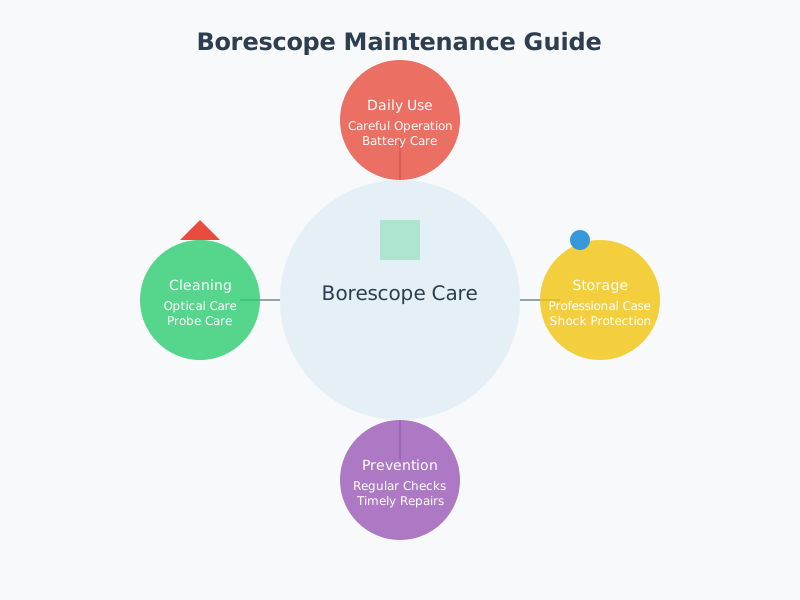
Maintaining the Probe and Other Components
The probe is the part of the borescope that often comes into direct contact with dirty or abrasive environments. Regularly cleaning the probe ensures the functionality of the device and the accuracy of inspections.
1. Inspect the Probe for Damage
Look for wear and tear, such as cracks or bends. Over-flexing or mishandling the probe can result in permanent damage, so check for any signs of stress.
2. Clean the Probe’s External Parts
Use a damp cloth soaked with a mild cleaning solution, such as a glass cleaner or a 70% alcohol solution, to wipe down the probe’s external components, including the insertion tube and optical fibers.
3. Clean the Probe Tip
The probe tip, including the camera lens, can accumulate dirt and grime. Use a soft cloth or cotton swab to gently clean it, ensuring you don’t damage the camera sensor.
4. Care for Articulating and Flexible Probes
If your borescope features an articulating or flexible probe, check for wear on the articulation controls. Regularly clean the controls and ensure that they move smoothly without obstruction. For flexible probes, avoid sharp bends that can damage the wiring inside.
Tips for Prolonging the Life of Your Borescope
Proper care and handling can significantly extend the lifespan of your borescope. Here are some additional tips:
- Avoid Water Damage: Unless the borescope is explicitly rated as waterproof, never immerse it in water. Clean only the external parts with a damp cloth.
- Battery Maintenance: Charge the borescope battery according to the manufacturer’s instructions. Avoid overcharging, and try to charge the battery when it’s around 20-30% for optimal life expectancy.
- Proper Storage: After use, store your borescope in a safe, dry place. Keep it in its protective case to prevent any accidental damage. Ensure that cables and probes are neatly coiled and not under strain.
- Temperature Control: Avoid exposing your borescope to extreme temperatures (over 80°C or 176°F) to prevent damage to sensitive components.
Conclusion
In summary, regular cleaning and maintenance are vital for ensuring your borescope performs at its best. By following these simple steps to clean the lens, probe, and other components, you can prevent unnecessary wear and tear, prolong the life of your equipment, and maintain clear, accurate inspection results. Whether you’re using a rigid or flexible borescope, maintaining your device is essential for professional and reliable inspections.
For any further questions on borescope maintenance or if you need assistance with our range of high-quality industrial endoscopes, feel free to contact us. We’re here to help ensure your equipment stays in top condition!