qbhborescope@gmail.com
December 4, 2024

Inspection professionals often face confusion when choosing between waterproof borescopes and water-resistant borescopes. Understanding these terms can save you time, money, and frustration. Let’s dive into the differences and help you make an informed decision for your inspection needs.
Table of Contents
- What Does “Water-Resistant” Mean for a Borescope?
- Understanding “Waterproof” in Borescopes
- Key Applications of Waterproof and Water-Resistant Borescopes
- How to Choose the Right Type of Borescope
- Unique Insights and Expert Advice
- Frequently Asked Questions
What Does “Water-Resistant” Mean for a Borescope?
Water-resistant borescopes are designed to handle light exposure to water. This includes splashes, rain, or brief submersion. While they can repel water, they are not built to withstand high-pressure environments or long-term immersion.
How Water Resistance Works
- Repels Limited Water: Protects against accidental spills or minor splashes.
- Pressure Sensitivity: Water may seep in under sustained pressure or prolonged exposure.
- Common Use Cases: Suitable for environments where the probe faces light water exposure, such as home maintenance or automotive repair.
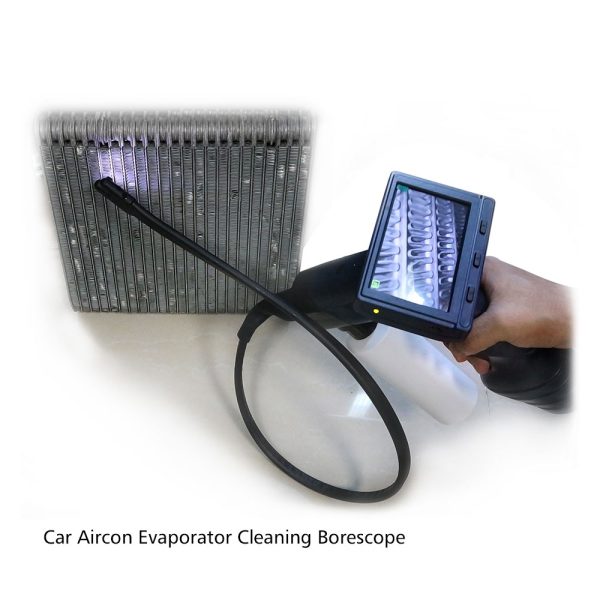
Example: If inspecting a car’s A/C system with a water-resistant borescope, it will handle accidental moisture or condensation during cleaning but should not be exposed to prolonged submersion in cleaning fluids.
Understanding “Waterproof” in Borescopes
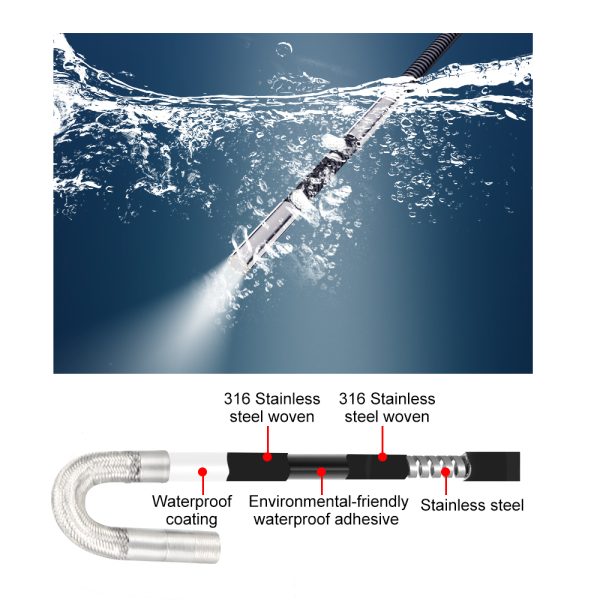
Waterproof borescopes are engineered to resist water entirely, even during full submersion. They are ideal for high-moisture or underwater applications, such as pipe inspections or underwater maintenance tasks.
How Waterproofing Works
- IP Ratings Define Limits: Look for IP68 or higher to ensure submersion capability.
- Withstands Pressure: Designed to operate in water depths and resist liquid migration caused by pressure.
- Durability: Built with specialized adhesives, seals, and hardware to prevent water ingress.
Example: A sewer inspection using a waterproof borescope ensures the device remains fully functional even at depths exceeding 3 meters.
Key Applications of Waterproof and Water-Resistant Borescopes
Here’s a comparison of where each type of borescope excels:
| Feature | Water-Resistant Borescope | Waterproof Borescope |
|---|---|---|
| Automotive Repairs | Suitable for coolant or oil splash areas | Engineered for submerged inspections |
| Pipe Inspections | Light exposure in low-humidity areas | High-pressure sewer or underwater tasks |
| Industrial Use | Dry or mildly wet environments | Rugged environments with full immersion |
| Maintenance Tasks | Occasional exposure to water or dust | Long-term use in wet or submerged areas |
How to Choose the Right Type of Borescope
Selecting the right borescope depends on your specific application. Consider these factors:
- Environment:
- For dry or splash-prone environments, choose water-resistant models.
- For underwater or high-humidity areas, opt for waterproof borescopes with higher IP ratings.
- IP Ratings:
- IP67: Protected against dust and temporary water immersion.
- IP68: Designed for extended underwater use and higher-pressure resistance.
- Application-Specific Features:
- High Temperature: For extreme conditions, select borescopes with heat-resistant capabilities.
- Cable Length: Sewer or deep-well inspections may require long, durable probes.
Unique Insights and Expert Advice
Many inspection professionals mistakenly assume that “waterproof” borescopes are universal. However, it’s essential to match the IP rating and design features to your inspection environment.
What to Watch Out For
- Liquid Migration: Water-resistant devices may fail if submerged too long. Ensure proper sealing around lenses and probes.
- Pressure Tolerance: Even waterproof borescopes have depth limits. Always verify specifications.
Expert Tip
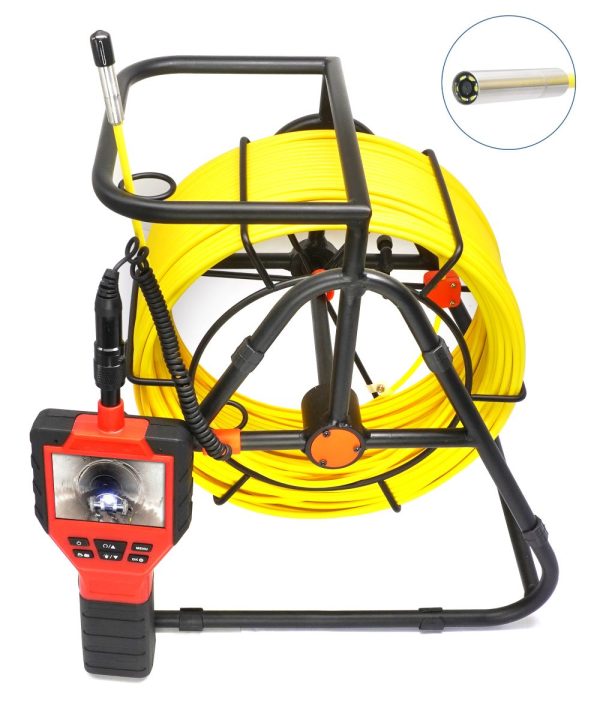
When inspecting underwater pipelines, invest in high-quality waterproof models with advanced imaging capabilities. A versatile option like the QBH KS05-PL90 Pipe inspection camera is an excellent choice for its durability and 30-meter probe length.
Frequently Asked Questions
1. Can I use a water-resistant borescope for underwater inspections?
No, water-resistant borescopes are not suitable for prolonged or deep-water use. Opt for waterproof models.
2. How do IP ratings affect performance?
IP ratings indicate the level of water and dust protection. For example, IP68 ensures full submersion, while IP67 covers temporary immersion.
3. What happens if water enters my borescope?
Water infiltration can compromise the image quality or damage internal components. Always use the correct type for your inspection needs.
Contact Us for the Perfect Inspection Solution
Whether you need a water-resistant borescope for light maintenance or a waterproof borescope for challenging underwater tasks, QingBaoHong has you covered. Contact us today to explore our wide range of inspection tools and find the perfect match for your needs.