qbhborescope@gmail.com
November 6, 2024
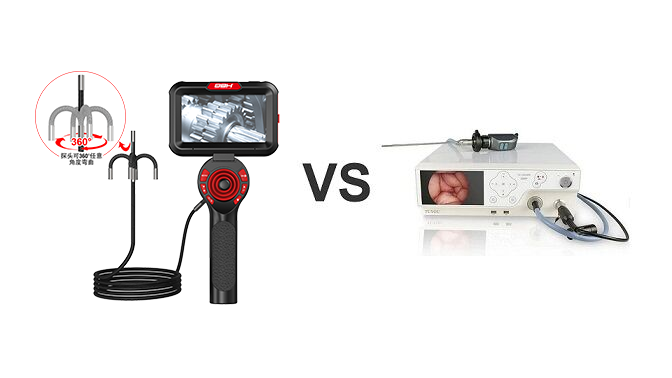
Table of Contents
- Introduction: Understanding the Basics
- What is a Borescope?
- What is an Endoscopy?
- Key Differences Between Borescope and Endoscopy
- Industrial Applications of Borescopes
- Medical Applications of Endoscopy
- Choosing the Right Tool for the Job
- Conclusion
Introduction: Understanding the Basics
Borescopes and endoscopes are both critical inspection tools used in various industries. However, despite their similarities, their uses, design, and applications differ significantly. While both tools provide real-time imaging for diagnosis and inspection, they are optimized for different environments and tasks. Therefore, understanding these differences can help you select the right device for your specific needs, whether for industrial maintenance, non-destructive testing, or medical procedures.
What is a Borescope?
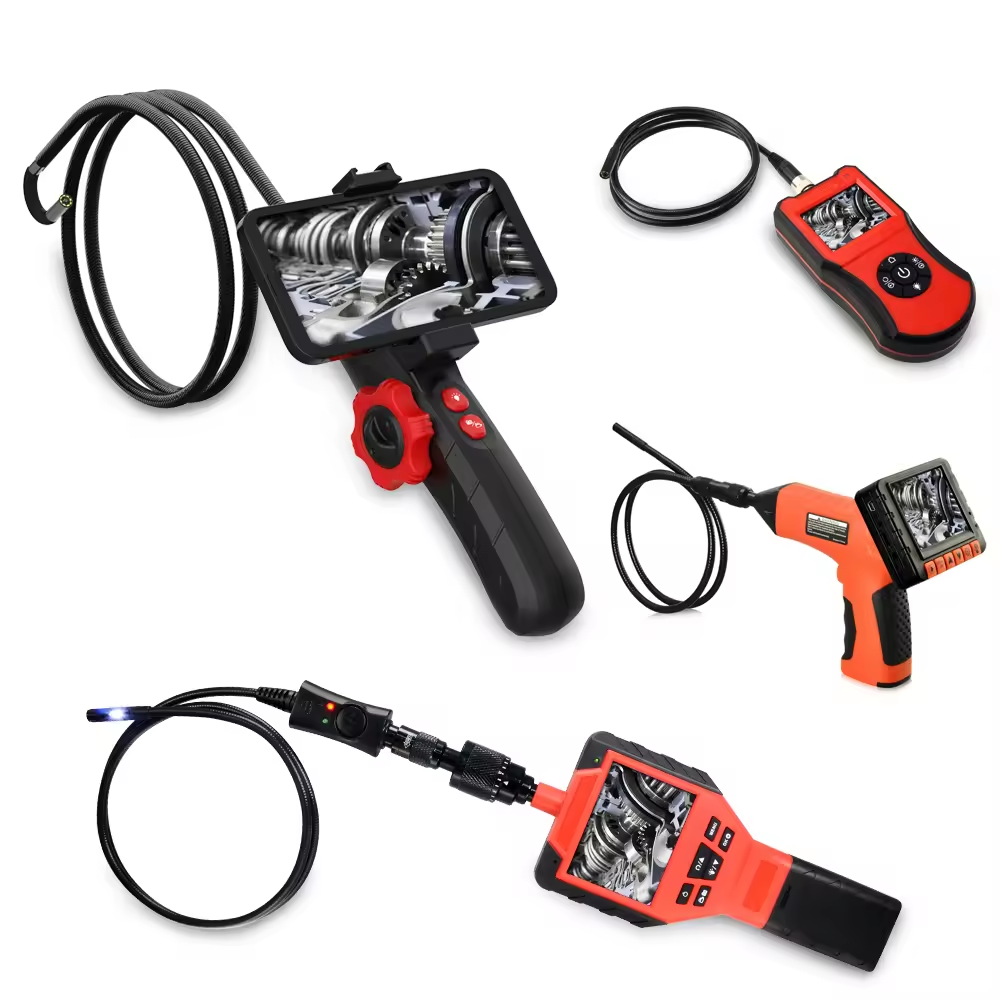
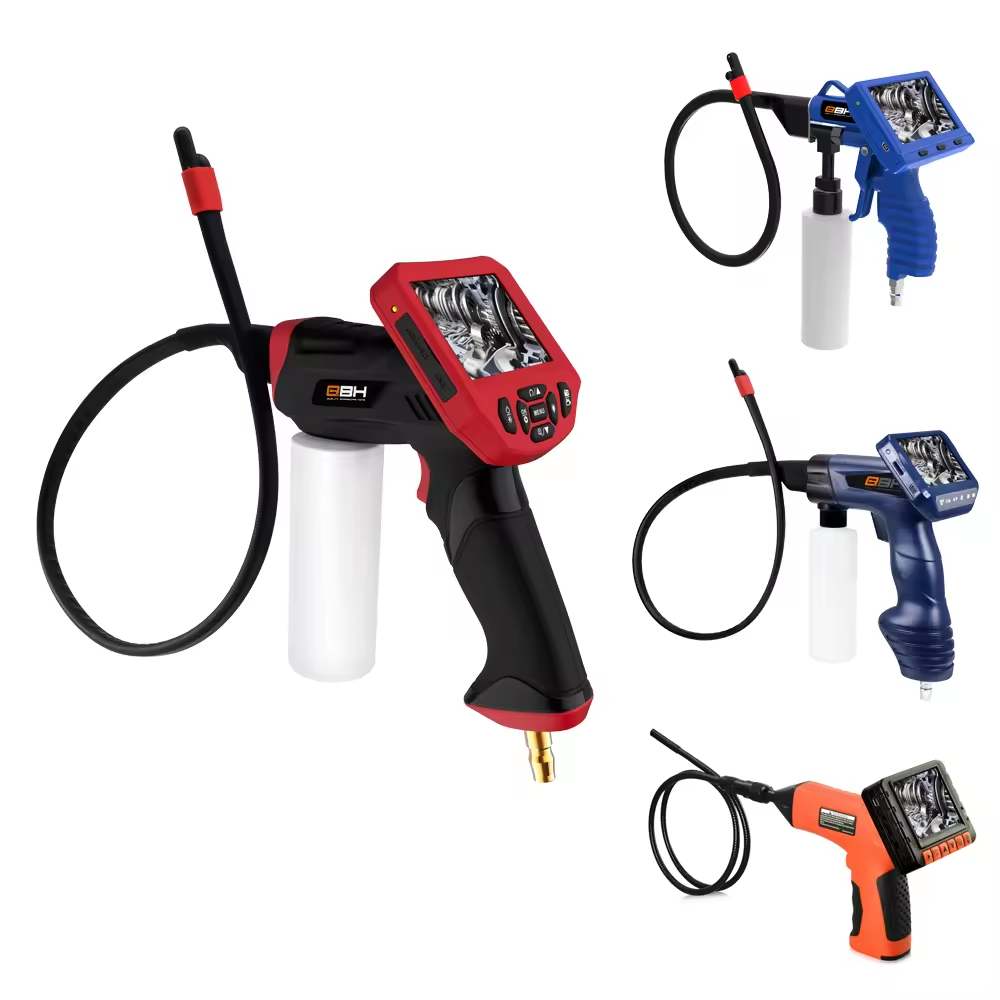
A borescope is an inspection tool designed for viewing the inside of small, confined spaces without the need to dismantle machinery or equipment. It is commonly used in industrial applications such as non-destructive testing and maintenance inspections. Borescopes consist of a flexible or rigid scope with a camera at the end, offering high-resolution imaging for detailed visual inspection.
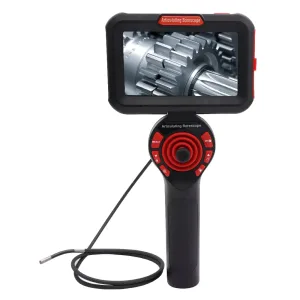
Borescopes are available in different configurations, including:
- Flexible scopes: These can bend around obstacles, providing versatility in reaching tight corners or complicated structures.
- Rigid scopes: These have a fixed shape and are ideal for more straightforward inspections where flexibility is not required.
For instance, in industries like aerospace or automotive, a borescope is used to inspect engines, pipes, and machinery for wear and tear without disassembling parts. In such cases, the ability to view hard-to-reach areas allows for diagnosis and preventive maintenance.
What is an Endoscopy?
On the other hand, endoscopy is primarily a medical procedure used to view the internal parts of a patient’s body. The tool, known as an endoscope, is a flexible or rigid tube with a light and camera that enables healthcare professionals to examine internal organs, tissues, and cavities. Endoscopy plays a vital role in diagnosing conditions, performing surgeries, and monitoring the effectiveness of treatments.
Endoscopes are used in various medical fields, including: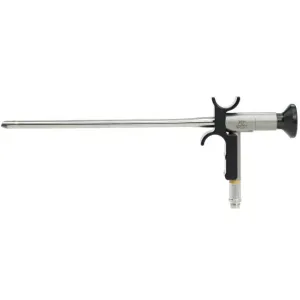
- Gastroenterology: For examining the digestive tract.
- Pulmonology: For inspecting the lungs.
- Urology: For bladder and urinary tract inspections.
Moreover, the technology behind endoscopy provides real-time imaging, which aids in diagnosis and treatment planning.

Key Differences Between Borescope and Endoscopy
While both borescopes and endoscopes share similar imaging technology, they differ greatly based on their applications and design. Below is a table summarizing the key differences:
| Feature | Borescope | Endoscopy |
|---|---|---|
| Primary Use | Industrial inspections, non-destructive testing | Medical diagnostics and procedures |
| Design | Flexible or rigid scope for industrial environments | Flexible scope with medical-grade components |
| Imaging | High-resolution cameras for detailed inspections | Real-time imaging for diagnosis and treatment |
| Environment | Harsh industrial settings, engines, pipes | Hospitals, clinics, patient care areas |
| Flexibility | Available in both rigid and flexible forms | Primarily flexible for maneuverability |
| Safety Standards | Industrial safety regulations | Strict medical safety protocols |
Industrial Applications of Borescopes
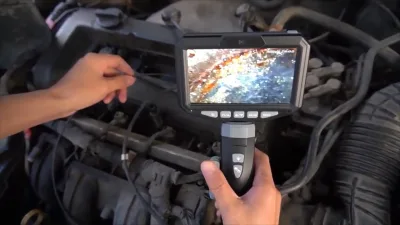
Borescopes are essential tools in many industrial applications, particularly when conducting non-destructive testing (NDT) and inspections in hard-to-reach areas. For example, in the aerospace industry, technicians use borescopes to inspect turbine blades and engines without needing to disassemble them. Similarly, in automotive maintenance, borescopes allow for the inspection of engine parts, exhaust systems, and even brake systems without disturbing the vehicle’s overall structure.
Moreover, for pipe inspections, a borescope can be inserted through manholes or service ports to identify corrosion, blockages, or leaks. This non-invasive inspection method is vital for maintaining safety and efficiency in various industries.
Medical Applications of Endoscopy
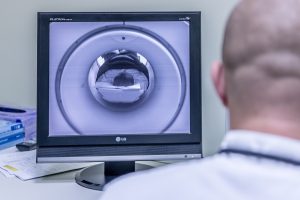
Endoscopes are indispensable in modern medical procedures. They allow doctors to explore the inside of the body for diagnosis and treatment, all while minimizing the need for invasive surgeries. For instance, gastroscopy is used to examine the esophagus and stomach, while colonoscopy allows for the inspection of the colon and rectum.
Furthermore, endoscopy has revolutionized the medical field by enabling doctors to perform surgeries in a minimally invasive manner. High-resolution imaging helps medical professionals diagnose conditions such as cancer, gastrointestinal issues, and infections early on.
Choosing the Right Tool for the Job
When deciding between a borescope and an endoscope, it’s crucial to consider your specific needs:
- For industrial inspections: If your goal is to inspect mechanical systems, engines, pipelines, or other equipment in a non-invasive way, a borescope is likely your best option.
- For medical procedures: If you are a healthcare professional needing to examine internal organs or perform minimally invasive surgeries, an endoscope is the tool you should rely on.
Ultimately, the choice largely depends on whether you’re focused on industrial maintenance or medical diagnosis.
Conclusion
While both borescopes and endoscopes are valuable tools in their respective fields, they serve distinct purposes based on the environment, usage, and precision required. By understanding their differences and applications, you can ensure that you choose the right tool for the job.
Contact Us
At QBH Technology, we provide high-quality borescopes designed for various industrial applications, ensuring precision and reliability in every inspection. If you have any questions or need assistance selecting the right tool, feel free to contact us. Our team is ready to help you find the best solution for your needs!