qbhborescope@gmail.com
September 28, 2024

Table of Contents
- Understanding Brake Fluid and Moisture
- The Importance of Brake Fluid Testing
- How Brake Fluid Moisture Testers Work
- Benefits of Regular Brake Fluid Testing
- Choosing the Right Brake Fluid Moisture Tester
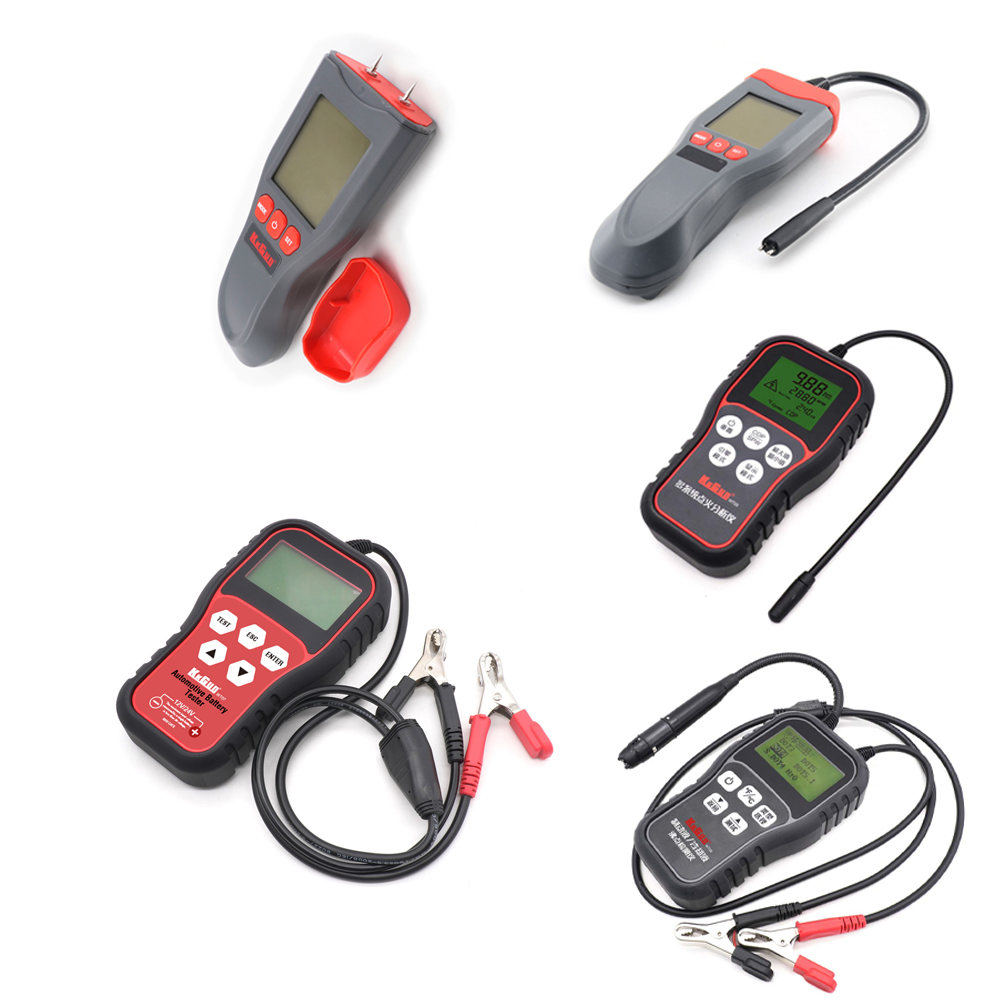
- Spotlight: QBH WT01 Brake Fluid Tester
- How to Use a Brake Fluid Moisture Tester
- Maintenance Tips for Brake Fluid
When it comes to vehicle safety, few components are as crucial as your braking system. At the heart of this system lies brake fluid, a often overlooked but vital element. In this comprehensive guide, we’ll explore the world of brake fluid moisture testers and why they’re essential for every vehicle owner and mechanic.
Understanding Brake Fluid and Moisture
Brake fluid is a type of hydraulic fluid used in braking systems. It’s designed to withstand high temperatures and pressures, but it has one significant weakness: its hydroscopic properties. This means brake fluid naturally absorbs moisture from the air over time.
Here’s why this matters:
- Water lowers the boiling point of brake fluid
- Reduced boiling point can lead to brake fade or failure
- Moisture can cause corrosion within the braking system
The Importance of Brake Fluid Testing
Regular brake fluid testing is a critical part of automotive maintenance. It helps ensure:
- Optimal braking performance
- Extended life of brake components
- Enhanced safety on the road
- Early detection of potential issues
A brake fluid moisture tester is the key tool for this essential safety inspection.
How Brake Fluid Moisture Testers Work
Brake fluid moisture testers use electrical conductivity to measure the water content in brake fluid. Here’s a simple breakdown of the process:
- A small sample of brake fluid is taken
- The tester measures the fluid’s electrical conductivity
- Higher conductivity indicates higher water content
- The results are displayed, often as a percentage of water content
This quick and easy test can provide crucial information about your vehicle’s braking system health.
Benefits of Regular Brake Fluid Testing
Incorporating brake fluid moisture measurement into your regular maintenance routine offers several advantages:
| Benefit | Description |
|---|---|
| Safety | Ensures your braking system is functioning optimally |
| Cost Savings | Helps prevent expensive repairs by catching issues early |
| Performance | Maintains consistent braking performance |
| Longevity | Extends the life of your brake components |
| Peace of Mind | Provides assurance that your vehicle is safe to drive |
Choosing the Right Brake Fluid Moisture Tester
When selecting a brake fluid moisture tester, consider the following factors:
- Compatibility with different brake fluid types (DOT3, DOT4, DOT5.1)
- Ease of use and result interpretation
- Display type (digital vs. analog)
- Additional features (backlight, alarm functions)
- Durability and build quality
A quality tester should be a reliable addition to your mechanical tools collection.
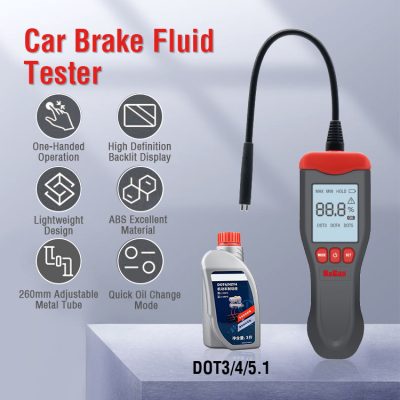
Spotlight: QBH WT01 Brake Fluid Tester
For those seeking a reliable and user-friendly brake fluid moisture tester, the QBH WT01 stands out as an excellent choice. Here’s why:
- LCD digital display for intuitive, easy-to-understand results
- Compatible with DOT3, DOT4, and DOT5.1 brake fluids
- Backlight display function for clear readings in low-light conditions
- Warning system: Red light flashes when brake fluid is in an unfavorable state
- Alarm function indicates when brake fluid must be replaced
These features make the QBH WT01 an invaluable tool for both professional mechanics and DIY enthusiasts.
How to Use a Brake Fluid Moisture Tester
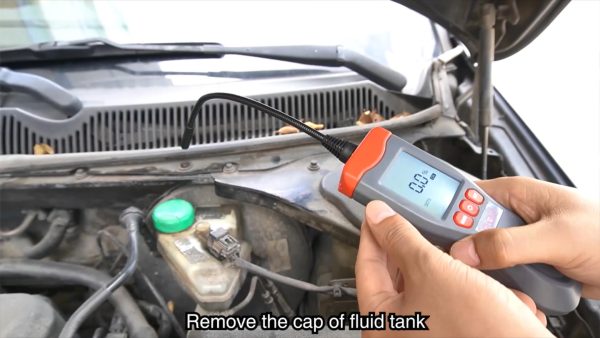
Using a brake fluid moisture tester like the QBH WT01 is straightforward:
- Locate your vehicle’s brake fluid reservoir
- Clean the area around the reservoir cap
- Remove the cap and insert the tester probe into the fluid
- Wait for the reading to stabilize (usually a few seconds)
- Interpret the results based on the manufacturer’s guidelines
Always refer to your vehicle’s manual and the tester’s instructions for specific guidance.
Maintenance Tips for Brake Fluid
To maintain optimal brake fluid condition:
- Check brake fluid levels regularly
- Test moisture content at least annually
- Replace brake fluid according to your vehicle manufacturer’s recommendations
- Use the correct type of brake fluid for your vehicle
- Keep the brake fluid reservoir cap tightly sealed
These simple steps can significantly improve your vehicle’s braking performance and safety.
A brake fluid moisture tester is a crucial tool for anyone committed to maintaining vehicle safety and performance. Regularly checking the condition of your brake fluid ensures your braking system remains at peak efficiency, prolonging its life and safeguarding your road safety.
Don’t compromise when it comes to your vehicle’s performance. Choose the QBH WT01 Brake Fluid Moisture Tester today for accurate and reliable readings. With its easy-to-use design and advanced features, you can confidently monitor your brake fluid condition. Take control of your vehicle’s safety—invest in the QBH WT01 now! Contact us to learn more or to place an order.