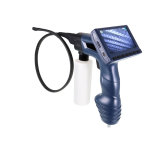
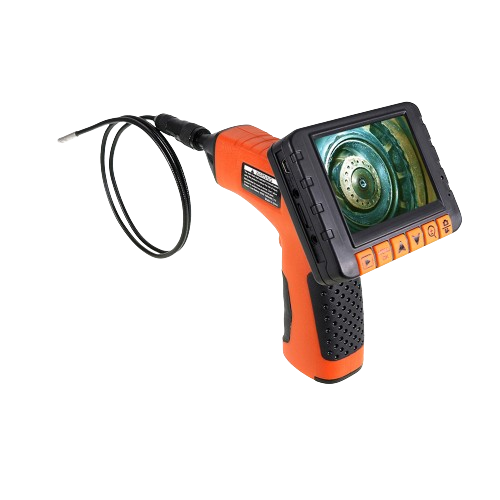
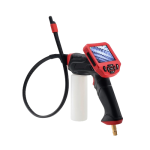
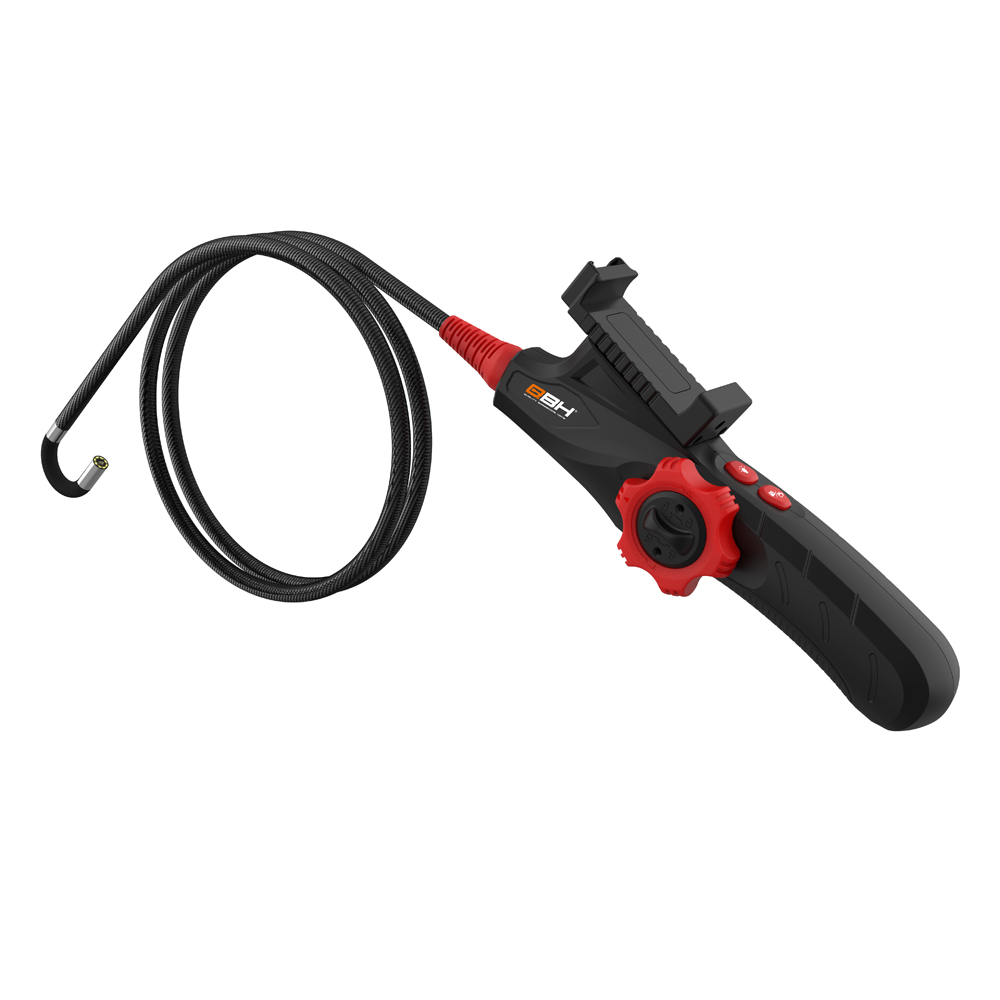
As the Pipeline Integrity Manager at a large petrochemical company, I can confidently say this advanced video borescope has revolutionized our inspection process. Its explosion-proof design and long cable allow us to safely reach previously inaccessible areas. The exceptional image quality significantly improves our ability to detect corrosion and cracks, making it a game-changer for pipeline inspection.
— Michael R., Pipeline Integrity Manager at PetroGlobal Solutions
Application of Industrial Endoscopes in the Petrochemical Industry
In the petrochemical industry, the use of industrial endoscopes, or industrial videoscopes, has transformed inspection processes by offering innovative remote visual inspection (RVI) solutions. These solutions not only accelerate inspections during turnarounds or machine shutdowns but also provide crucial data for maintenance and safety checks. This article explores the application of industrial endoscopes in the petrochemical sector and highlights their significant advantages.
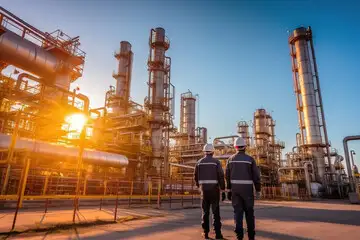
The Importance of Industrial Videoscope Inspection
Industrial videoscope inspection plays a vital role in ensuring the safety and efficiency of petrochemical operations. The ability to perform remote appearance inspections allows professionals to:
- Evaluate the status of materials
- Verify design specifications
- Ensure the integrity of insulation
- Assess the reliability of equipment
These capabilities are crucial when dealing with complex machinery and systems, where a direct line of sight is not always possible.

The Power of Remote Visual Inspection (RVI)
Remote visual inspection (RVI) using industrial endoscopes offers numerous advantages in the petrochemical industry. By providing real-time, high-resolution images of internal components, RVI enables:
- Early detection of defects: RVI can identify corrosion, cracks, and other anomalies before they escalate into costly failures.
- Reduced downtime: Minimizing equipment disassembly significantly reduces downtime and increases operational efficiency.
- Improved safety: Inspectors can assess equipment conditions from a safe distance, reducing the risk of exposure to hazardous substances.
- Enhanced data collection: RVI generates detailed visual records that can be used for analysis, reporting, and future reference.
Key Applications of Industrial Endoscopes in Petrochemical
- Condenser Tube Bundles
Condenser tube bundles are integral components in heat exchange processes. Using an industrial endoscope, technicians can inspect for any signs of wear, corrosion, or blockages without disassembling the system, thus saving time and resources.
- Heat Exchanger Tube Bundles
Heat exchangers are critical for maintaining process temperatures. Industrial endoscopes enable comprehensive inspections, ensuring that these units operate efficiently and safely.
- Pressure Pipelines
Petrochemical pipeline inspection is crucial for detecting defects like cracks, corrosion, and blockages. With advanced videoscopes, professionals can inspect pressure pipelines thoroughly, preventing potential accidents and ensuring compliance with safety regulations.
- Pressure Vessels
Inspecting pressure vessels is essential to prevent failures that could lead to catastrophic incidents. Industrial endoscopes offer a non-destructive method to assess the integrity of these vessels, identifying any signs of weakness or damage.
- Reactors
Reactors are at the heart of many petrochemical processes. Regular inspections with videoscopes help identify potential issues, such as erosion or cracking, that could compromise their functionality.
- Steam Turbines
The complex structure of steam turbines requires precise inspections. Industrial endoscopes allow technicians to evaluate turbine blades and other internal components for wear and damage, ensuring optimal performance.
The Advantages of Industrial Endoscopes in the Petrochemical Industry
Due to the large size and complexity of petrochemical equipment, traditional inspection methods often involve disassembly and reassembly, leading to significant labor and time costs. Industrial endoscopes provide a solution by offering non-destructive visual inspections. Here are some specific advantages:
| Advantages of Industrial Endoscopes in the Petrochemical Industry | Description |
|---|---|
| No Disassembly Required | Industrial endoscopes eliminate the need for disassembly, reducing labor and time costs associated with equipment maintenance. |
| Low Environmental Requirements | Inspections can be conducted anytime and anywhere, with devices capable of standby for over 8 hours. |
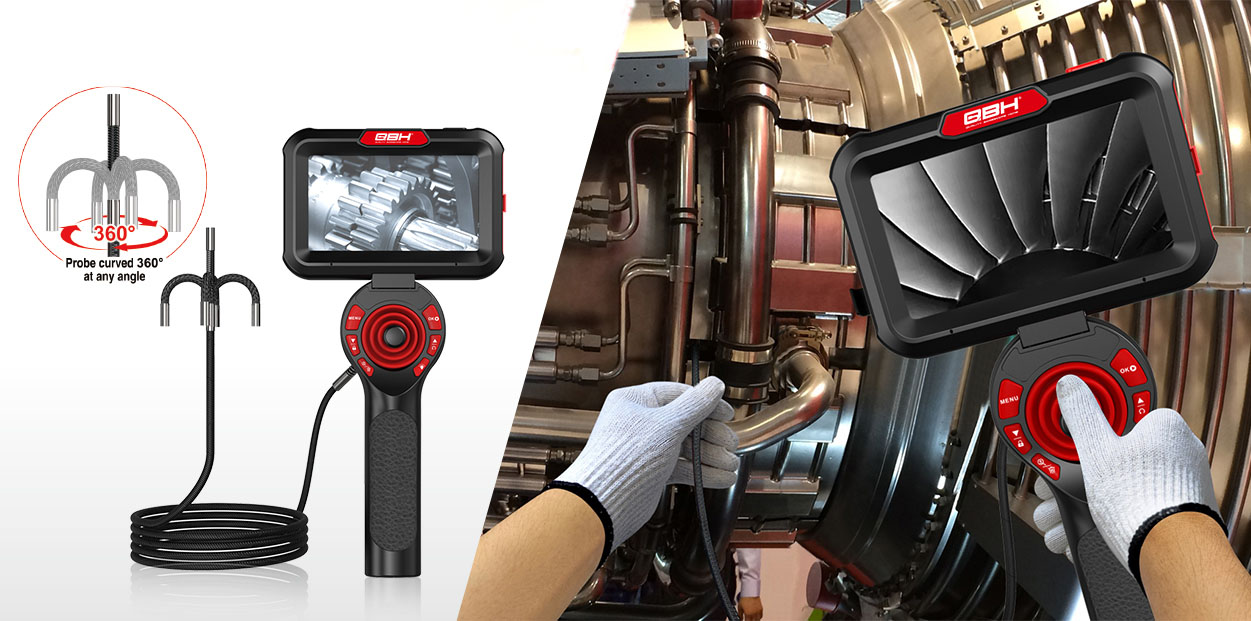
| Flexible Operation | Control rods allow the probe to rotate 360° with a maximum bend of 190°, providing flexibility. Simple button operations, ultra-bright ceramic light sources with 9 levels of adjustment, and long insertion tubes allow for deep inspections. |
| Clear Imaging | Equipped with high-definition lenses and IPS full-view displays, industrial endoscopes provide clear images for accurate assessments. |
| Intelligent Image Processing | Advanced features include image effect selection, exposure gain, color white balance, and reference scale simulation analysis. |
| Image Transmission and Storage | Endoscopes offer photo and video storage, HDMI data transmission, and WiFi online synchronization, ensuring data is easily accessible. |
| Portability | Weighing less than 0.75 kg, these devices are easy to transport and can be used in narrow spaces. |
Example: Shenzhen QBH Industrial Videoscope Inspection Case Study
Inspection Area
- Pipelines and Connections
Purpose
- Inspect the inner walls of pipelines for cracks, perforations, and other anomalies.
Inspection Points
- Detect corrosion, dirt, and deposits within the pipelines.
Inspection Method
- Use endoscopes of appropriate caliber and length for macroscopic visual inspection of the pipeline interior.
Precautions
- Prevent damage to the insertion tube by foreign objects.
Recommended Endoscopes
- Diameter: 6.0mm/4.9mm
- Length: 2-10m
- Features: Explosion-proof, waterproof, 5.0-inch main unit
Recommended Accessories
- Insertion tube and centering device
Conclusion
Industrial endoscopes have become indispensable tools for petrochemical companies seeking to optimize maintenance, improve safety, and extend equipment life. By providing real-time, high-quality visual data, these devices enable early detection of defects, preventing costly failures and ensuring the reliability of critical equipment. Shenzhen QBH’s innovative endoscopes offer a comprehensive solution for petrochemical pipeline inspection.
Industrial Applications Category
Petrochemical Pipeline Inspection Related Blogs

Aerospace Inspection FAQ
A: As a leading industrial borescope manufacturer, QBH presents the US19, our latest high-end borescope. Featuring a 200-megapixel camera and 360° rotation, it provides crystal-clear images and videos for precise inspections. The US19 is QBH’s best solution for all your industrial inspection needs.
A: The MV01 creates its own WIFI network. Simply connect your smartphone to this network, and use our dedicated app to start your inspection.
A: ① Over time, a large amount of sludge can accumulate in the engine bay, covering the engine and some wiring harnesses, leading to poor heat dissipation or short circuits.
② During the hot summer, the surrounding environment is already quite hot. If the car engine is covered with a layer of sludge, it can cause poor heat dissipation, and the internal fuel lines are also more prone to ignition. Therefore, cleaning the car engine is very necessary.
A: ① The automotive borescope is an advanced inspection tool used to check car engines, components, and other hard-to-reach areas.
② It can easily access narrow spaces like the engine bay and wheel wells, providing clear real-time images. The borescope’s probe can rotate, extend, and bend to inspect various angles and positions.
③ Automotive borescopes are typically compact and lightweight, making them easy to carry and operate.
A: ① During driving, the car may experience issues such as engine shaking, difficulty in cold starts, and lack of power.
② Due to fuel quality, traffic congestion, and air quality, the fuel system (injectors, spark plugs, valves, and combustion chamber) accumulates carbon deposits, affecting fuel combustion and causing stalling.
③ High fuel consumption, excessive oil consumption, and exhaust emissions exceeding standards.
A: QBH Video borescopes are MIL-STD 810G certified.
Petrochemical Pipeline Inspection Tag
🏷️petrochemical pipeline inspection🏷️industrial videoscope inspection🏷️remote visual inspection🏷️RVI 🏷️condenser tube bundle🏷️heat exchanger tube bundle🏷️pressure pipeline🏷️ pressure vessel🏷️ reactor🏷️ steam turbine🏷️ corrosion detection🏷️ crack detection🏷️non-destructive testing
Related products



Get a free sample of our auto repair tools!
Fill out the form now to experience our quality products.