qbhborescope@gmail.com
November 14, 2024

Lithium-ion batteries are the backbone of modern technology, powering everything from smartphones to electric vehicles. While they are durable and efficient, it’s important to assess their condition periodically to ensure safety and optimal performance. In this comprehensive guide, we’ll walk you through everything you need to know about checking if a lithium battery is still good.
Table of Contents
- Understanding Lithium Battery Basics
- Common Causes of Lithium Battery Failure
- Signs of a Failing Lithium Battery
- Testing Methods for Lithium Battery Health
- Tips for Extending Lithium Battery Life
- Preventing Premature Battery Degradation
- Why You Need Reliable Testing Tools
- Conclusion
Understanding Lithium Battery Basics
Lithium-ion batteries come in various chemistries, each tailored to specific applications. Here are the most common types:
| Type | Common Uses | Typical Lifespan |
|---|---|---|
| Lithium Cobalt Oxide (LCO) | Smartphones, laptops | 2-3 years |
| Lithium Iron Phosphate (LFP) | Electric motorcycles, power tools | 10-15 years |
| Lithium Nickel Manganese Cobalt (NMC) | Electric vehicles | Up to 10 years |
| Lithium Titanate (LTO) | Solar systems, buses, military gear | 20-30 years |
Each type offers unique benefits, but all can degrade over time due to improper use or environmental factors.

Common Causes of Lithium Battery Failure
Lithium batteries, despite their robust design, can fail due to:
Internal Factors
- Manufacturing Defects: Poor materials or substandard production practices.
- Aging: Batteries naturally degrade, even when not in use.
- Excessive Discharge Cycles: Repeated charging and discharging can reduce capacity.
External Factors
- Temperature Extremes: Heat accelerates aging, while cold reduces performance.
- Physical Damage: Drops, punctures, or impacts can cause irreversible harm.
- Improper Charging: Overcharging or using an incompatible charger.
Recognizing these causes can help you mitigate risks and maintain battery longevity.
Signs of a Failing Lithium Battery
If your battery exhibits any of the following symptoms, it may be time to replace or test it:
- Longer Charging Times: Indicates reduced capacity.
- Shorter Battery Life: The device drains faster than normal.
- Overheating: Excessive heat during charging or use.
- Swelling: A swollen battery is a clear sign of failure and should be replaced immediately.
- Low Voltage: Voltage below the recommended range (e.g., below 3.2V for a 3.7V battery).
- Unexpected Shutoffs: Device powers off despite a sufficient charge.
- Erratic Performance: Inconsistent battery readings or sluggish device response.
Testing Methods for Lithium Battery Health
Using a Multimeter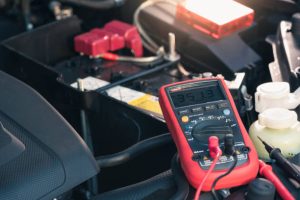
- One of the most effective ways to check if a lithium battery is good is by using a multimeter. Follow these steps to measure the voltage:
- Turn on the multimeter and set it to measure DC voltage.
- Connect the red probe to the positive terminal and the black probe to the negative terminal of the battery.
- Check the voltage reading on the multimeter. For most lithium-ion batteries, a healthy voltage reading should be around 3.6 to 3.7 volts for a 3.7V battery.
If the voltage is significantly lower (e.g., below 3.0 volts), the battery may be damaged or at the end of its useful life.
Note: Regular testing of your battery with a multimeter can help you monitor its performance and make informed decisions about when to replace it. For more on battery testing, you can explore resources from the Battery University, which offers in-depth articles on battery care and testing methods.
Capacity and Load Testing
For a more detailed assessment, tools like the QBH WT07 Automotive Lithium Battery Tester offer multiple functional tests, including:
- Battery Life Measurement
- CCA (Cold Cranking Amps) Testing
- Voltage and Resistance Testing
- Load and Charging System Analysis
These tools provide precise insights into battery health and potential issues.
Tips for Extending Lithium Battery Life
| Tip | Why It Matters |
|---|---|
| Use Quality Chargers | Prevents overcharging and overheating. |
| Avoid Full Discharges | Keeps the battery within 20-80% for optimal longevity. |
| Store at Room Temperature | Reduces risk of thermal stress. |
| Charge Regularly | Batteries degrade less with consistent usage. |
| Keep Firmware Updated | Ensures efficient power management in devices. |
Preventing Premature Battery Degradation
- Avoid Extreme Temperatures: Never expose batteries to prolonged heat or freezing conditions.
- Monitor Charge Cycles: Aim for partial charges rather than complete drains.
- Proper Storage: Store unused batteries in a cool, dry place with a 50% charge level.
- Inspect for Physical Damage: Swelling or leaks require immediate attention.
Why You Need Reliable Testing Tools
Investing in high-quality battery testing equipment is essential for professionals and DIY enthusiasts alike. Devices like the QBH WT07 Automotive Lithium Battery Tester ensure: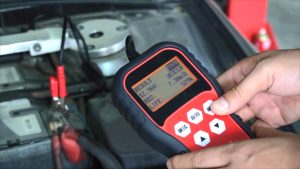
- Quick, accurate diagnostics.
- Comprehensive results for voltage, resistance, and capacity.
- Enhanced safety during testing.
Conclusion
Lithium-ion batteries are indispensable in modern technology, but their performance can degrade over time. By recognizing failure signs and testing batteries with reliable tools, you can ensure safety, extend battery life, and maintain optimal performance.
Looking for a solution to test your lithium batteries? Contact us today for a free consultation and quote on the QBH WT07 Lithium Battery Tester. With its multi-functional capabilities, it’s your go-to tool for accurate diagnostics and peace of mind.