qbhborescope@gmail.com
November 3, 2024
Table of Contents
- What are the disadvantages of endoscopy?
- How can borescope inspections be improved to overcome their disadvantages?
- What industries are most affected by the limitations of borescope inspections?
- How does operator skill impact the effectiveness of borescope inspections?
- What are the most common mistakes made during borescope inspections?
- How does the cost of borescope inspections compare with other inspection methods?
- What are the safety concerns associated with borescope inspections?
- Conclusion
What are the disadvantages of endoscopy?
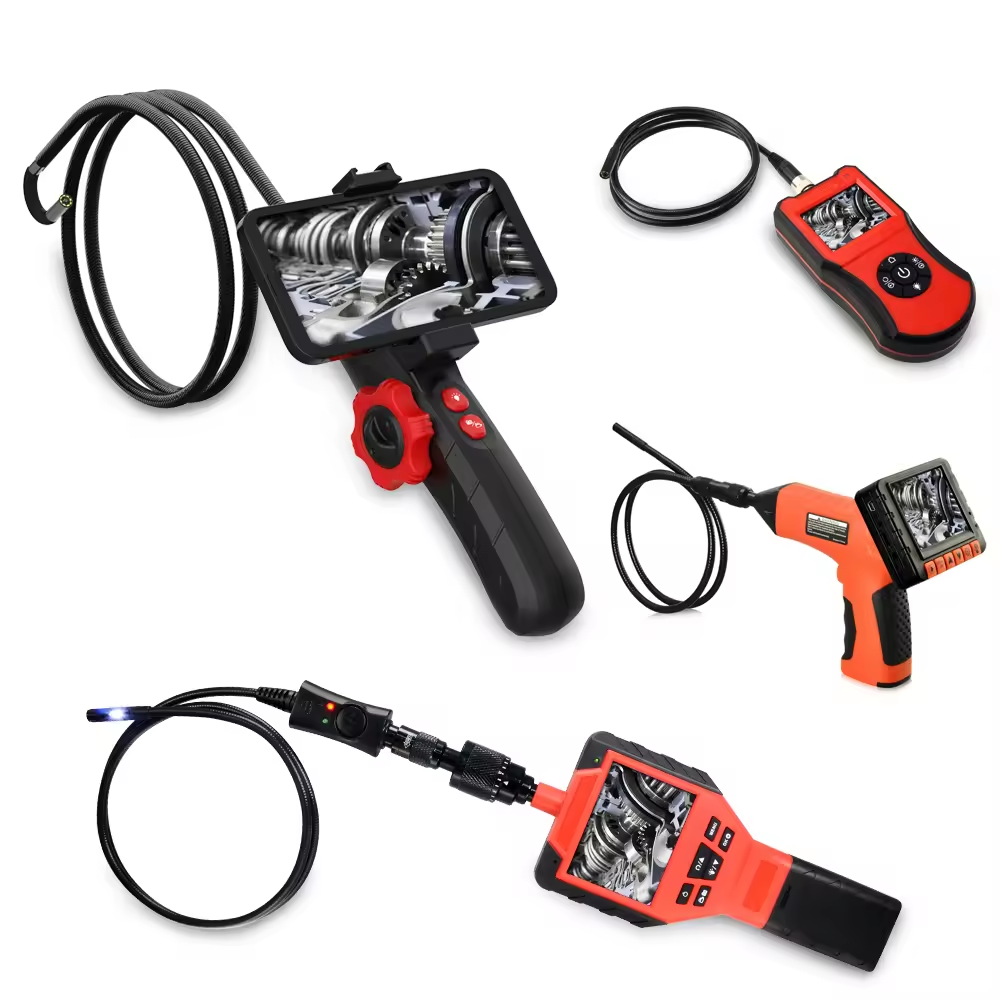
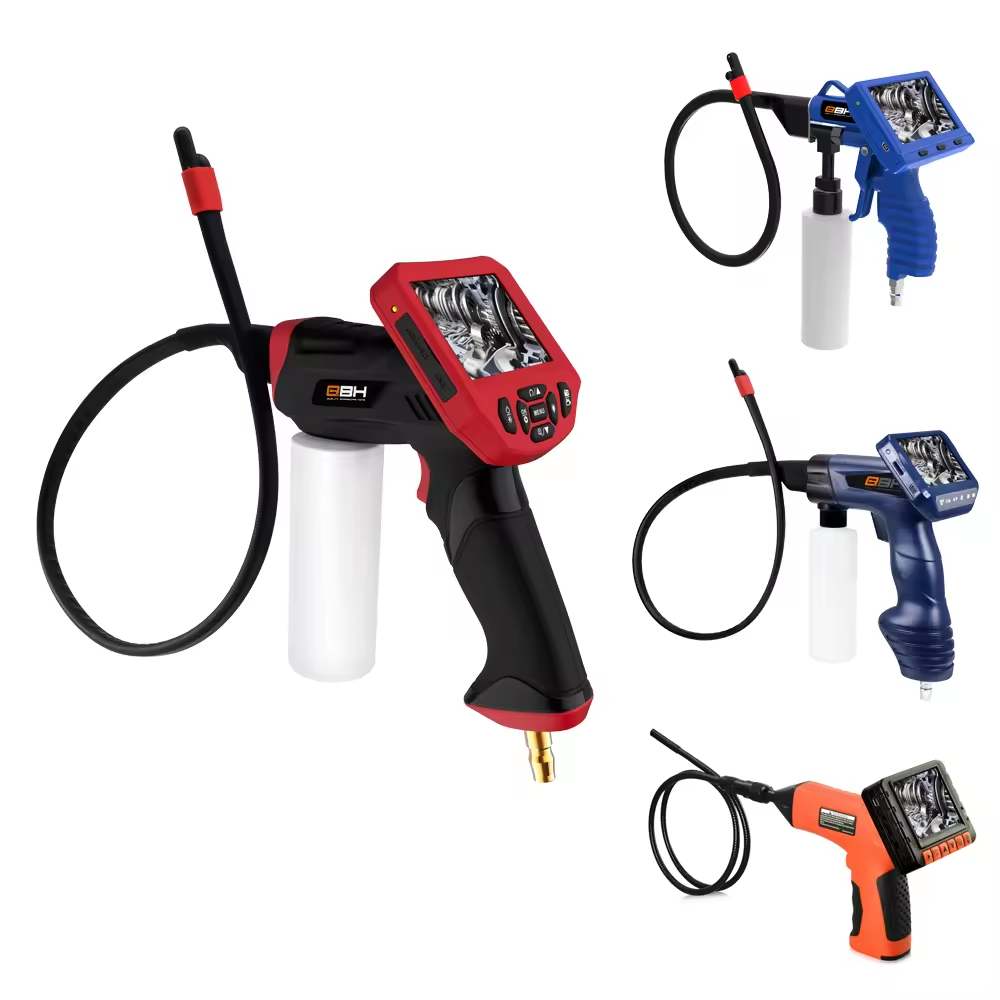
Borescope inspections offer significant advantages in various industries for non-destructive, detailed visual inspections of hard-to-reach areas. However, there are some notable disadvantages to consider:
1. Limited Field of View
- Description: The scope’s field of vision may be narrow, depending on the type and specifications of the borescope used.
- Impact: This limitation can make it difficult to see the complete picture or fully assess the condition of an area without repositioning or adjusting the device.
2. Resolution Constraints
- Description: Not all borescopes offer high-resolution imaging. Lower-quality models may provide subpar visual clarity.
- Impact: Poor image quality can lead to missed or misinterpreted defects, making the inspection less reliable.
3. High Initial Cost
- Description: Advanced borescopes, such as those with video capabilities or high-definition imaging, can be expensive.
- Impact: The initial investment can be significant, especially for small companies or individuals performing occasional inspections.
4. Complexity and Training
- Description: Operating sophisticated borescopes effectively often requires training.
- Impact: Inadequate training can result in improper handling, potentially damaging the equipment or producing inaccurate inspection results.
5. Vulnerability to Damage
- Description: Borescopes, especially flexible ones, can be prone to damage if mishandled or used in environments with sharp objects or rough surfaces.
- Impact: Damaged equipment may require costly repairs or replacements and can interrupt inspection schedules.
6. Limited Maneuverability in Complex Spaces
- Description: In areas with intricate or complex structures, maneuvering the borescope to inspect every angle can be challenging.
- Impact: This can result in incomplete inspections or missed details that could impact decision-making.
7. Lighting Limitations
- Description: While many borescopes come equipped with built-in lighting, these light sources can sometimes be insufficient for very dark or expansive spaces.
- Impact: Poor lighting can compromise visibility and accuracy, making it difficult to identify issues clearly.
8. Dependence on Operator Skill
- Description: The effectiveness of a borescope inspection heavily depends on the skill and experience of the operator.
- Impact: A novice user may overlook critical details or misinterpret findings, leading to potentially costly errors.
9. Restricted Applications
- Description: Borescopes are specialized tools and may not be suitable for all types of inspections or environments (e.g., extremely high temperatures or corrosive conditions).
- Impact: In such cases, alternative inspection methods or specialized borescopes are necessary, adding complexity and cost.

Summary Table
| Disadvantage | Description | Impact |
|---|---|---|
| Limited Field of View | Narrow view angle | Incomplete assessments |
| Resolution Constraints | Lower-quality imaging in some models | Potential for missed details |
| High Initial Cost | Significant purchase cost | May not be cost-effective for infrequent users |
| Complexity and Training | Requires operator training | Potential for misuse and inaccurate inspections |
| Vulnerability to Damage | Prone to wear and tear | Higher maintenance costs |
| Limited Maneuverability | Hard to navigate in tight, complex spaces | Missed or incomplete inspections |
| Lighting Limitations | Inadequate built-in light sources | Reduced visibility in certain areas |
| Dependence on Operator Skill | Skill level impacts inspection quality | Risk of overlooked issues |
| Restricted Applications | Limited by environmental conditions | May need specialized tools for certain inspections |
Understanding these disadvantages helps in weighing the pros and cons of borescope use and finding ways to mitigate potential challenges during inspections.
How can borescope inspections be improved to overcome their disadvantages?
- Technological Advancements: To address limitations such as resolution constraints and limited field of view, manufacturers can integrate technologies like high-definition or 4K imaging and advanced optics. Implementing articulating probes can improve maneuverability and visibility in complex spaces.
- Software Enhancements: The use of image processing software and AI-powered defect detection can enhance clarity and automate the identification of issues, compensating for operator skill variability.
- User-Friendly Design: Simplifying device interfaces and incorporating intuitive controls can make borescopes easier to operate, reducing the impact of insufficient training and enhancing overall usability.
What industries are most affected by the limitations of borescope inspections?
- Aerospace Industry: Inspections often need high-resolution imaging to detect microcracks in jet engine components. Limited field of view and resolution constraints can lead to undetected issues, affecting safety and performance.
- Automotive Industry: While borescopes are used for inspecting engines and exhaust systems, maneuverability limitations can hinder full access in compact engine compartments.
- Construction and Infrastructure: Structural inspections in tight or poorly lit areas may suffer from lighting limitations and the durability of equipment in harsh conditions.
- Oil and Gas Sector: In-depth inspections in high-temperature or corrosive environments may be limited by environmental adaptability, necessitating specialized borescopes.
How does operator skill impact the effectiveness of borescope inspections?
- Importance of Training: Effective use of borescopes requires skilled operators who understand the nuances of probe navigation, image interpretation, and defect identification. Without sufficient training, the quality of inspections can decline, leading to overlooked damage or misinterpretation of results.
- Hands-on Experience: Operators with more experience are better at adjusting angles, focusing the camera, and recognizing subtle signs of wear or damage, thus compensating for complexity limitations of the device.
- Standard Procedures: Standardized training programs can help mitigate variability in operator skill and improve consistency in inspection quality, even when using high-complexity borescopes.
What are the most common mistakes made during borescope inspections camera?
- Improper Handling: Misusing flexible probes can cause damage, leading to equipment fragility issues and higher repair costs.
- Overlooking Details: Novice operators may not recognize subtle signs of defects or may fail to adjust the lighting or focus correctly, exacerbating resolution constraints.
- Insufficient Documentation: Failure to properly record inspection findings can result in gaps in analysis or incorrect assessments, which can be particularly problematic for industries requiring comprehensive safety documentation.
How does the cost of borescope inspections compare with other inspection methods?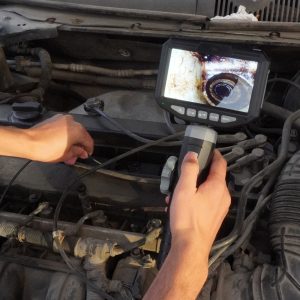
- Initial Investment: Advanced borescopes with high-definition video capabilities or articulating heads can be significantly more expensive than basic models, making them cost-prohibitive for smaller operations. This high initial cost is often higher compared to simpler inspection methods, such as basic visual checks.
- Maintenance and Upgrades: Regular maintenance and potential repairs can increase overall expenses over time. Comparatively, non-destructive testing (NDT) methods like ultrasound or radiographic inspection may have different cost structures, potentially offering more value in certain contexts.
- Operational Cost Comparison: While borescopes may offer a less invasive and more flexible solution than some NDT methods, additional training and maintenance costs can impact total expenditures.
What are the safety concerns associated with borescope inspections?
- Operator Safety: When using borescopes in environments with high temperature, pressure, or chemical exposure, safety can be a concern. Mishandling the device in such conditions may lead to operator injury.
- Equipment Failure: In harsh or tight environments, equipment vulnerability can become a risk if the borescope breaks or malfunctions during use, potentially posing hazards such as debris release.
- Electrical Safety: For video borescopes that require power sources, electrical safety must be maintained, particularly when operating in wet or conductive environments.
- Preventative Measures: To mitigate risks, operators should follow strict safety protocols, use borescopes with the appropriate IP ratings for water and dust resistance, and conduct pre-inspection equipment checks.
Conclusion
Understanding the advantages and disadvantages of borescope inspections, along with potential improvements, can help make more informed choices in practical applications. For further information or inquiries, please contact us.