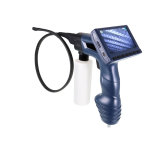
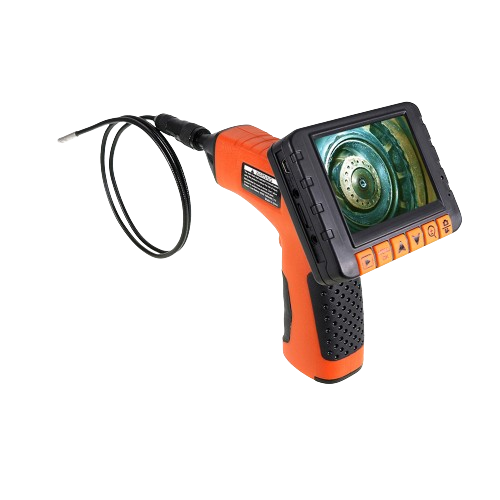
After experimenting with various video borescope brands, we found that most either fell short in performance or didn’t hold up over time. The UW16 Dual Camera stands out for its exceptional durability and straightforward usability.
——Jordan R., Maintenance Supervisor at Apex Industries
Borescopes for Hazardous Material Inspections
When inspecting hazardous environments, it’s crucial to use tools that can withstand flammable vapors, combustible dust, and liquids. Hazardous portable inspection cameras are designed to meet these demands. Whether you’re examining hard-to-reach areas, natural gas lines, or fuel tanks, selecting the right hazardous environment borescope can make a significant difference.

Understanding Hazardous Environment Classifications
Class I Division II vs. Zone 0 Hazardous Classification
Areas classified as Class I, Division 2 or Zone 2 contain ignitable concentrations of combustible gases, vapors, or liquids, but these are not likely to be present under normal operating conditions. In contrast, Zone 0 areas feature ignitable concentrations of these substances that are either constantly present or present for long durations.
Benefits of Intrinsically Safe Cameras
Intrinsically safe inspection cameras, such as those classified under Class I Division II and Zone 0, offer several advantages for professionals working in hazardous environments. Unlike standard cameras, intrinsically safe models are engineered to operate safely even when surrounded by hazardous materials. This design ensures a non-destructive inspection process every time.
These cameras are built to endure extreme conditions with features such as impact resistance, dust protection, and corrosion resistance. They help ensure the safety of both the equipment and the operator while providing reliable inspection results.
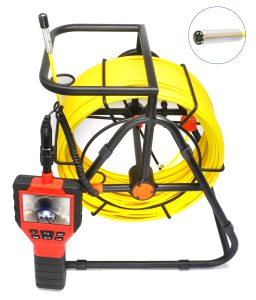
The KS05-PL90 Inspection Camera is notable for being the only certified Zone 0 intrinsically safe inspection camera available. This model comes with an 8.5mm diameter probe and 200 feet of working length. Currently, there are no smaller diameter intrinsically safe borescopes available for Zone 0 environments. However, certified Class I Division II borescopes are available in smaller diameters, such as 4 mm, 6 mm, and 8 mm.
Explosion-proof borescopes are versatile, reliable, and safe for use in the most hazardous environments. Previously, many gas turbine inspectors used standard borescopes, but now, more professionals are opting for Class I Division II cameras for their inspections.
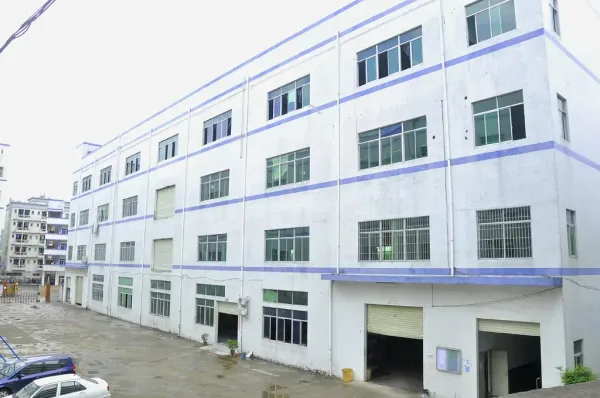
Why Choose QBH Borescopes?
If you need a borescope for hazardous material inspections, QBH Borescopes is your go-to source. We offer a broad range of inspection tools, including intrinsically safe cameras, fiberscopes, videoscopes, and accessories. Our extensive selection ensures you’ll find the right tool for your specific needs.
Unsure about which inspection tool is best for you? Contact us today to speak with one of our knowledgeable experts. Our team can help guide you through the selection process and even offer rental options to meet your needs.
For more information and to explore our range of borescopes, visit our website or get in touch with our customer service team.
Industrial Applications Category
Hazardous Material Inspections Related Blogs


Hazardous Material Inspections FAQ
A: As a leading industrial borescope manufacturer, QBH presents the US19, our latest high-end borescope. Featuring a 200-megapixel camera and 360° rotation, it provides crystal-clear images and videos for precise inspections. The US19 is QBH’s best solution for all your industrial inspection needs.
A: The MV01 creates its own WIFI network. Simply connect your smartphone to this network, and use our dedicated app to start your inspection.
A: ① Over time, a large amount of sludge can accumulate in the engine bay, covering the engine and some wiring harnesses, leading to poor heat dissipation or short circuits.
② During the hot summer, the surrounding environment is already quite hot. If the car engine is covered with a layer of sludge, it can cause poor heat dissipation, and the internal fuel lines are also more prone to ignition. Therefore, cleaning the car engine is very necessary.
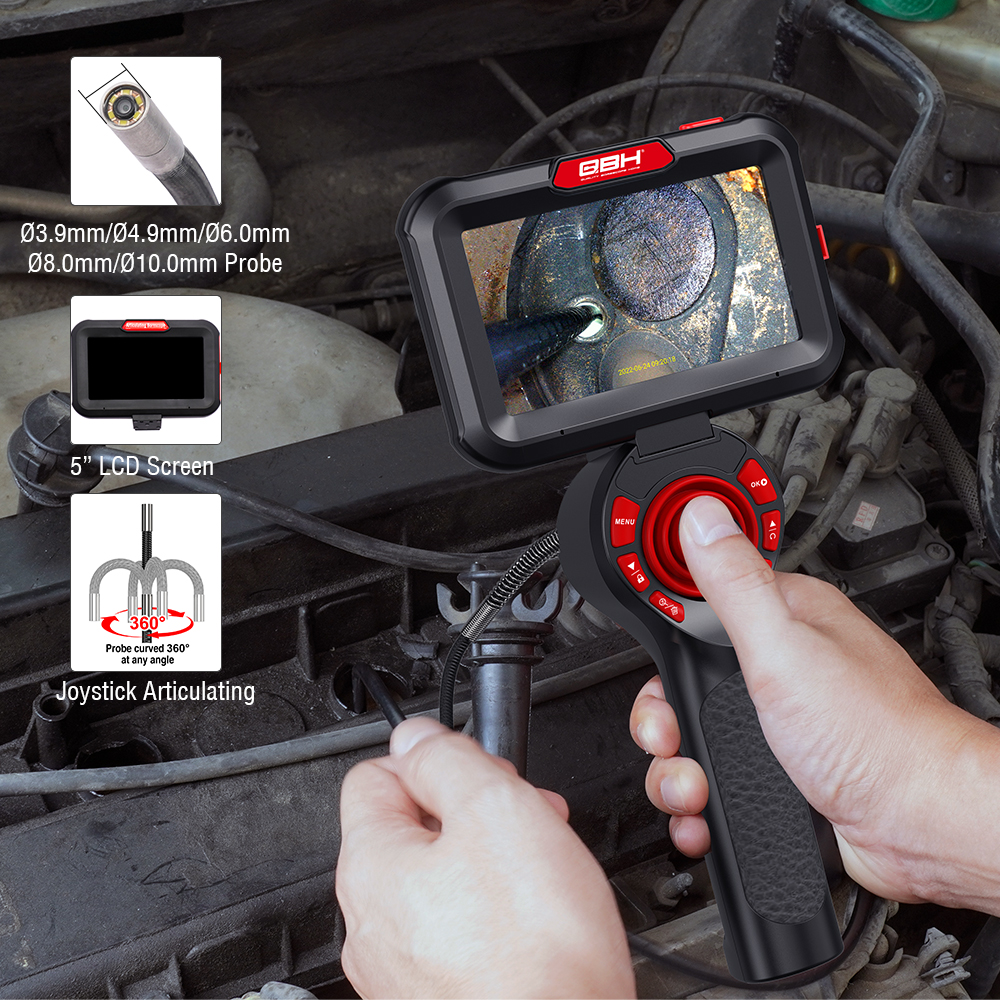
A: ① The automotive borescope is an advanced inspection tool used to check car engines, components, and other hard-to-reach areas.
② It can easily access narrow spaces like the engine bay and wheel wells, providing clear real-time images. The borescope’s probe can rotate, extend, and bend to inspect various angles and positions.
③ Automotive borescopes are typically compact and lightweight, making them easy to carry and operate.
A: ① During driving, the car may experience issues such as engine shaking, difficulty in cold starts, and lack of power.
② Due to fuel quality, traffic congestion, and air quality, the fuel system (injectors, spark plugs, valves, and combustion chamber) accumulates carbon deposits, affecting fuel combustion and causing stalling.
③ High fuel consumption, excessive oil consumption, and exhaust emissions exceeding standards.
A: QBH Video borescopes are MIL-STD 810G certified.
Hazardous Material Inspections Tag
🏷️Hazardous Material Inspections
🏷️Intrinsically Safe Borescopes
🏷️Class I Division II Borescopes
🏷️Zone 0 Inspection Cameras
🏷️Explosion-Proof Borescopes
🏷️Portable Inspection Cameras for Hazardous Environments
🏷️Hazardous Environment Cameras
🏷️Safe Inspection Tools
🏷️Borescope Rentals
🏷️Industrial Borescopes for Hazardous Areas
Related products




Get a free sample of our auto repair tools!
Fill out the form now to experience our quality products.