qbhborescope@gmail.com
July 1, 2024

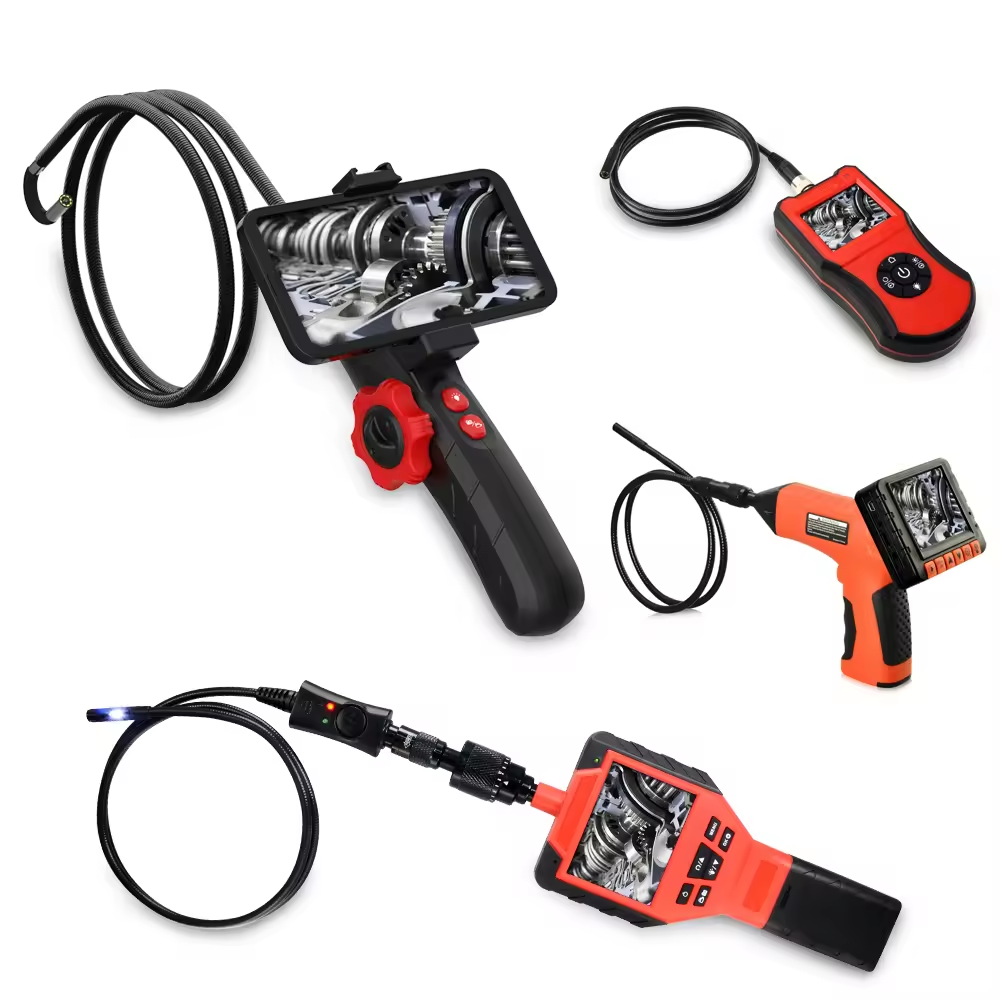
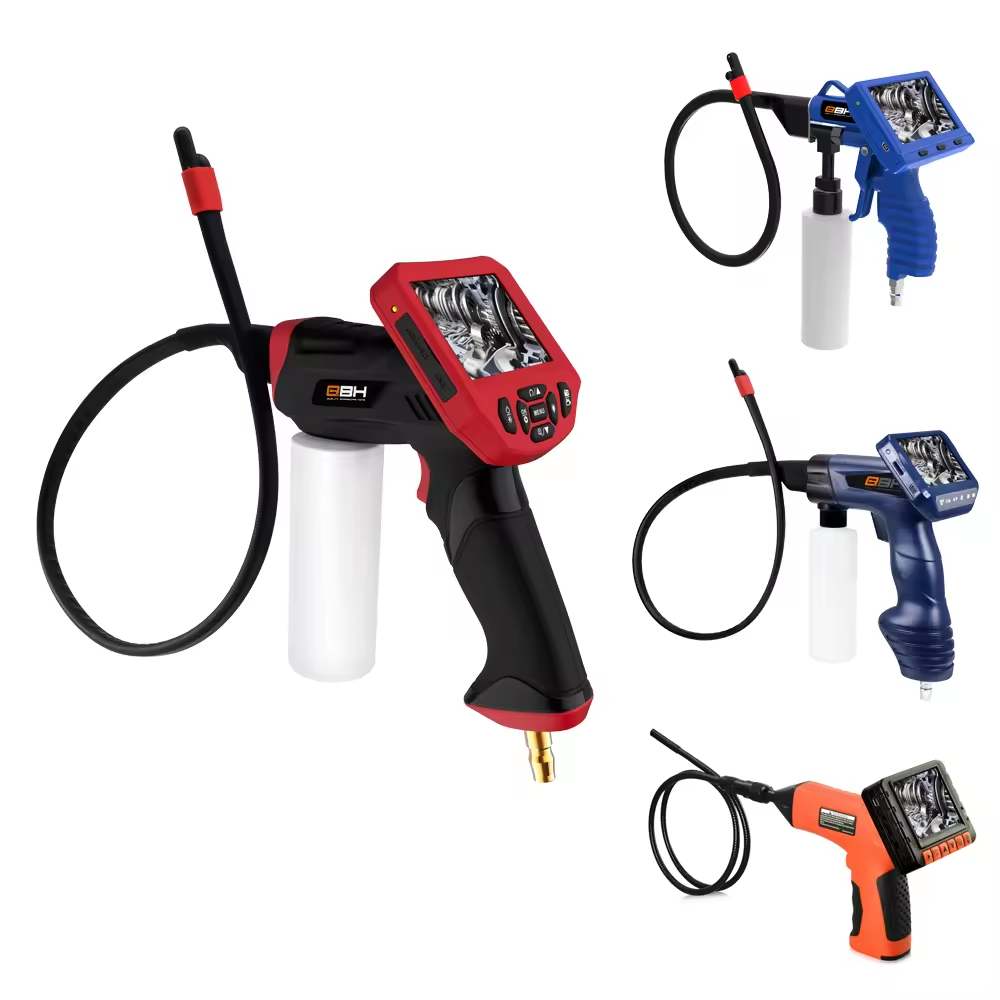
A borescope is a versatile inspection tool designed for remote viewing of hard-to-reach areas. It consists of either a rigid or flexible scope with a camera at one end and an eyepiece or display at the other. These devices are essential for visual inspection in various industrial applications, providing a clear image of hidden spaces without the need for invasive methods.
Types of Borescopes
Rigid Borescope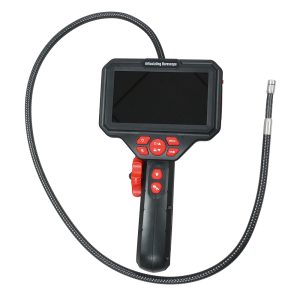
A rigid borescope features a metal tube, typically made from stainless steel. It is ideal for short-range inspections, such as examining short pipelines or internal engine components like cylinders or transmissions. However, the rigid scope is limited by its tube length, often less than one meter, making it less versatile for more extended or curved areas.
Key Applications:
- Engine inspection
- Medical endoscopy
- Industrial non-destructive testing
Flexible Borescope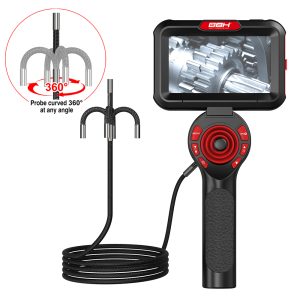
In contrast, a flexible borescope offers a semi-rigid or fully flexible tube, making it adaptable to different environments. The scope is bendable, allowing it to inspect areas with curves or complex angles. Flexible scopes are made from materials like plastic or composite fibers, which provide durability and maneuverability. This flexibility makes them useful for internal examination of pipes, underwater viewing, and DIY projects.
Key Benefits:
- Bendable for complex areas
- No length limitations
- Suitable for multiple fields, including cable inspection and non-destructive testing
Features of Modern Borescopes
Today’s borescopes are more advanced, often integrating high-tech features like high-resolution imaging, video recording, and even wireless connectivity. This makes them indispensable tools in fields ranging from industrial applications to medical endoscopy.
Some modern borescopes are even designed to work with smartphones, allowing easy portability and remote viewing from your mobile device.
Uses of a Borescope
Industrial Applications
Borescopes are extensively used in industrial applications for non-destructive testing. Engineers can inspect the inside of engines, pipelines, and machinery without dismantling the entire system. This internal examination capability helps save time and reduce costs by identifying issues early.
Medical Endoscopy
In the medical field, borescopes (often called endoscopes) are used to perform internal inspections of the human body. These devices offer high-resolution imaging to detect and diagnose various health conditions.
Everyday Use
Borescopes are no longer limited to professionals. Many consumers use these devices for DIY projects, car maintenance, and home inspections. Their affordability and ease of use make them accessible to a broader audience.
Why Choose a Borescope?
- Cost Savings: By identifying problems without dismantling machinery, borescopes reduce repair and inspection costs.
- Flexible Viewing: The ability to view hidden areas in real time.
- High-Resolution Imaging: Capture clear images and videos for detailed analysis.
- Non-Destructive Testing: Inspect without damaging the surrounding areas.
Conclusion
With advancements in optical technology and enhanced features like remote viewing, high-resolution imaging, and compatibility with smartphones, borescopes have become indispensable in both professional and personal use. Whether you’re a technician or a DIY enthusiast, a borescope can simplify complex visual inspections and improve efficiency across various tasks.
If you’re interested in learning more about borescopes or looking for quality inspection tools, check out our range of inspection cameras.